


English
- English

CONTACT US
If you have any queries, get in touch today! Don't hesitate. We try to take the extra step for our customer satisfaction.
Our News
Carbon Conversions offers recycling solutions to companies that need to dispose of excess carbon fiber from decommisioned parts.
Boeing 787 wing manufacturing technology
2025-12-04 14:17:34
Click:
“
The
Boeing 787 selected a composite wing structure, which was a first for
commer
”
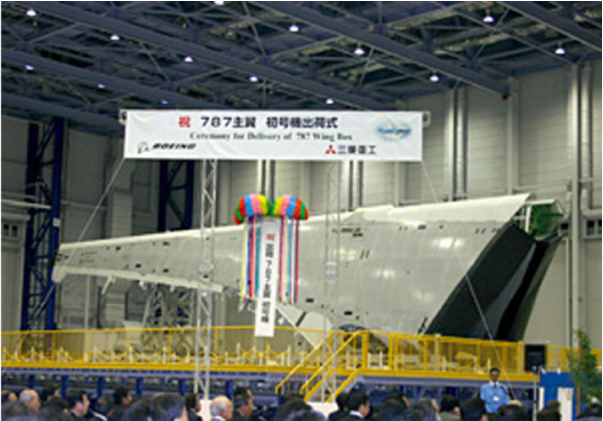
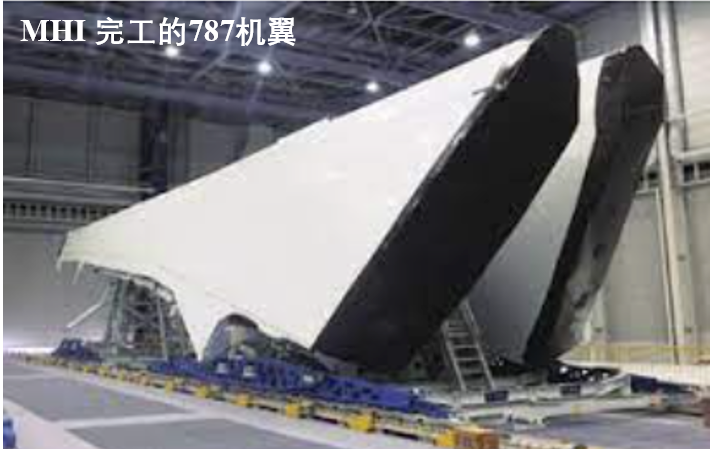
The Boeing 787 selected a composite wing structure, which was a first for commercial aircraft. Mitsubishi Heavy Industries developed the production technology for large composite wings. This article provides an overview of the technical issues and their solutions.
Composite material wing shape
Figure 1. shows the outline of the 787 composite wing box structure. It consists of a box component with a span of 30m and a chord of 6m, and its main structure is made of CFRP. The interior of the wing box is used as a fuel tank. Figure 2. shows the proportion comparison of composite wings. The 787 wing box is much larger than the F-2 fighter wing box and the Boeing 777 vertical tail. The technical difficulties of the 787 composite wing are as follows:
(a) Much larger than the existing composite components
(b) The large aerodynamic loads caused by the engine and landing gear
(c) Fine-tuning the outer mold lines to achieve excellent aerodynamic performance
(d) Due to using the interior of the wing as the fuel tank, fuel leakage is strictly prohibited
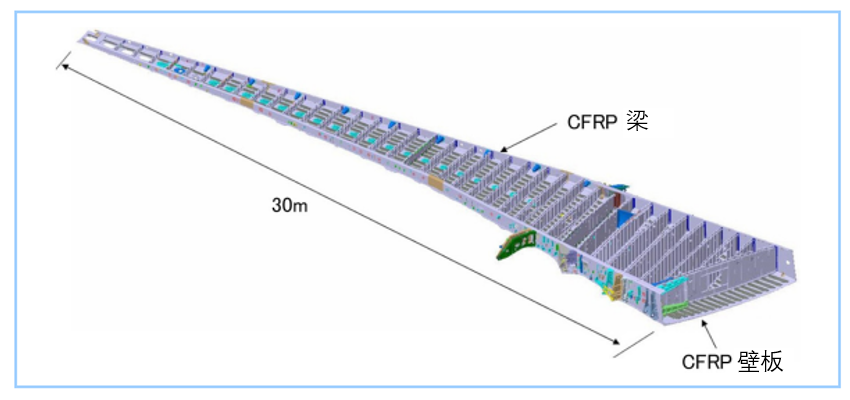
Figure 1. Schematic diagram of the 787 composite wingbox structure
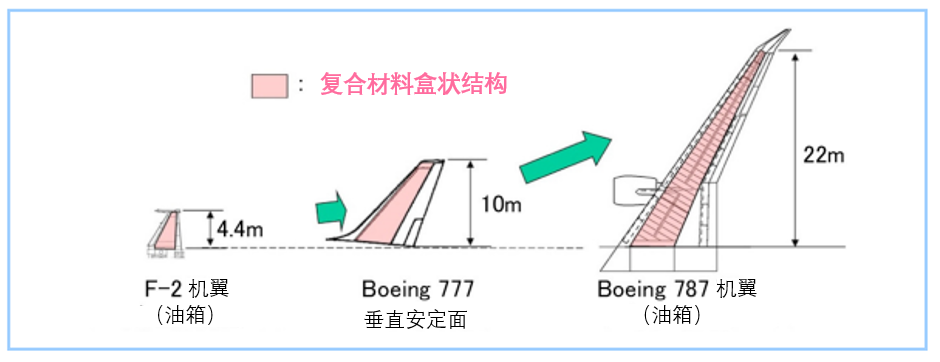
Figure 2. Proportional comparison of composite material wings
Composite Panel Manufacturing Process
1) Use the automatic weaving machine (CFP) to lay the prepreg (epoxy resin or other resin-laminated sheets reinforced with carbon or other fibers) onto a cured platform with wing-shaped geometry.
(2) The laid prepreg and the workbench are then placed into a hot press tank and cured under the specified pressure and temperature (Figure 4).
(3) After curing in the hot press tank, the periphery is trimmed according to the part geometry (Figure 3. Abrasive water jet cutting - AWJ). The panel is completed after final inspection.
Due to the large scale of the product, the key point of the manufacturing process is to reduce the traditional manual process and make it automated.
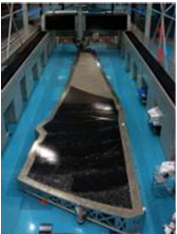
Figure 3. Abrasive Water Jet Cutting (AWJ)
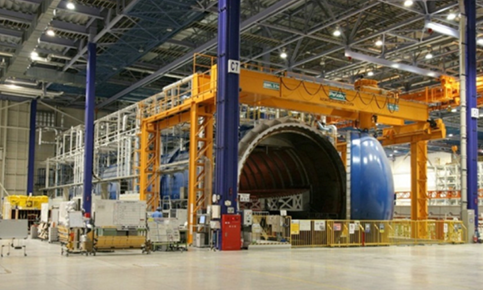
Large autoclave
3. Assembly Process of Composite Wing
Figure 5. Illustrates the assembly process of the 787 wing.
(a) First, the beams and ribs are determined to form the framework.
(b) After the framework is completed, the upper and lower skin panels are installed to complete the structure.
The main tasks during the assembly process involve numerous drilling and installation of fasteners. It is necessary to improve productivity in the future. Next, pipelines, wiring, and equipment arecompleted on the wing box of MHI, and then the control surfaces and wingtips are installed by Boeing, followed by connecting the wing to the fuselage.
Furthermore, since the wing serves as an oil tank, appropriate conductivity and insulation are provided to ensure lightning protection and prevent ignition.
Furthermore, since the wings serve as fuel tanks, they provide the necessary conductivity and insulation to ensure lightning protection and prevent ignition.
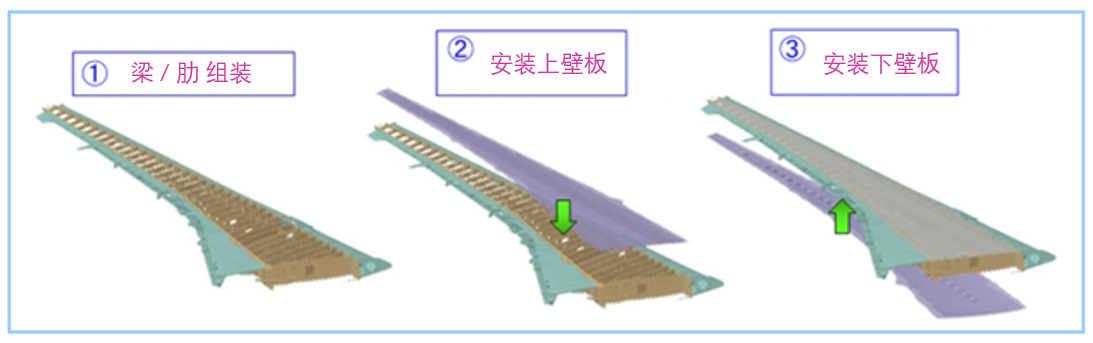
Figure 5.Assembly process of 787 wing box
The 787 composite wing is currently under production. Mitsubishi Heavy Industries needs to enhance its production efficiency in order to achieve sustainable production.
further information
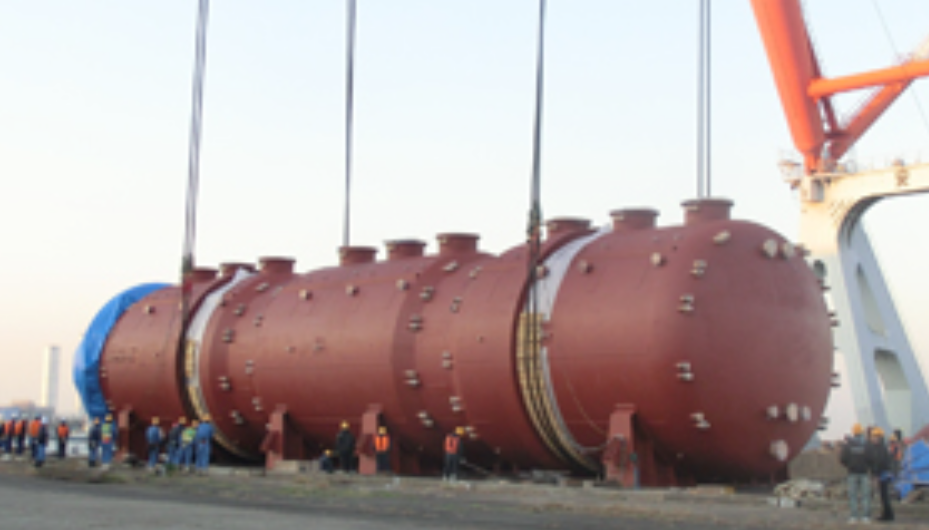
he autoclave is cylindrical in shape, with an outer diameter of 8 meters, a length of 40 meters, and a weight of 700 tons. It is indispensable for the production of 30-meter-long composite material wings. In November 2011, a second unit was installed to meet the demand of Boeing for manufacturing 14 787 aircraft per month (a second unit was also installed for abrasive water jet cutting)
Translation《Production Technology of Large-Scale Composite Wings for Commercial Aircraft》
Yang Chaofan 2025.11.23









