


English
- English

CONTACT US
If you have any queries, get in touch today! Don't hesitate. We try to take the extra step for our customer satisfaction.
Our Products
We will provide high-quality and low-cost carbon fiber materials
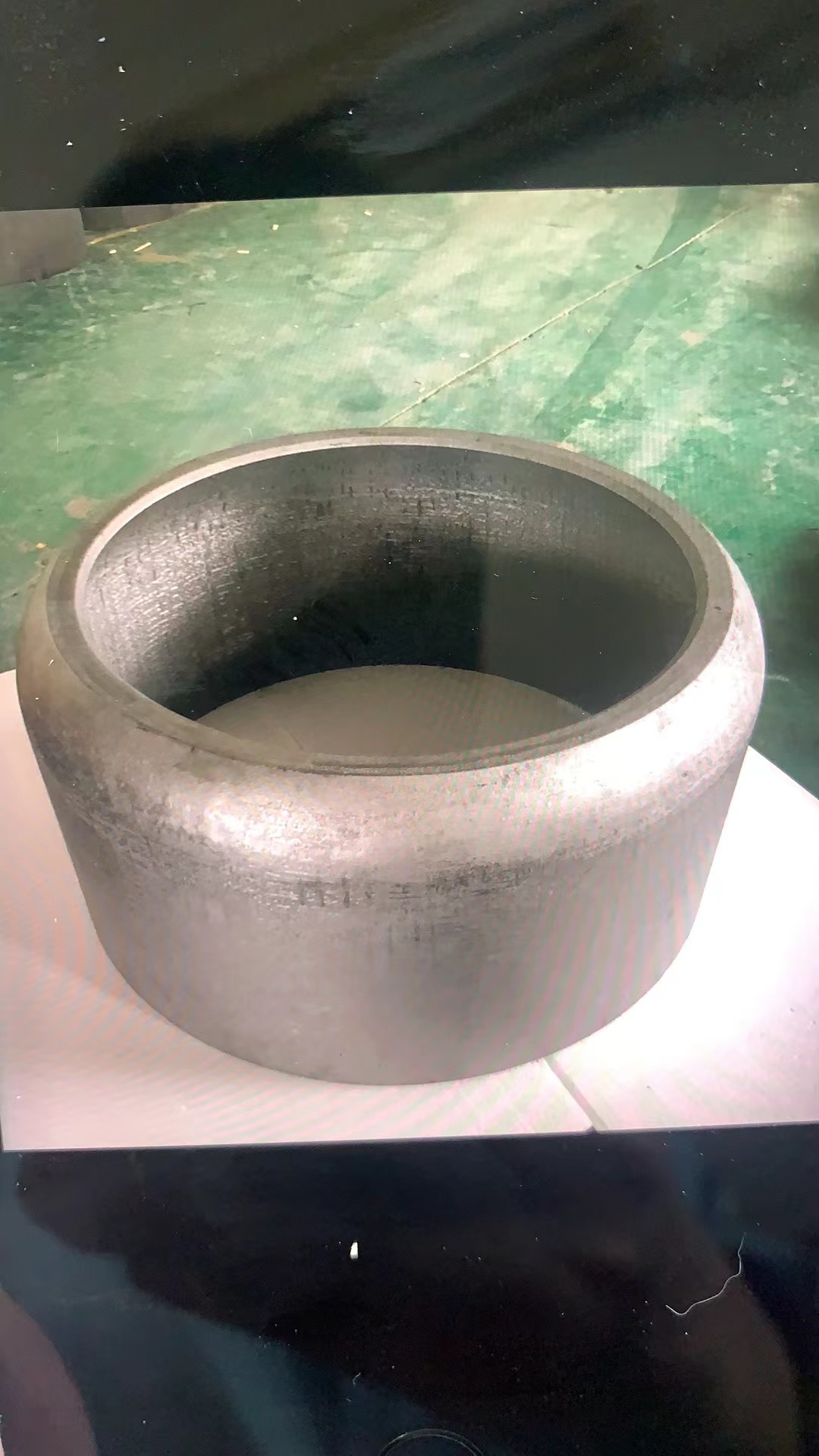

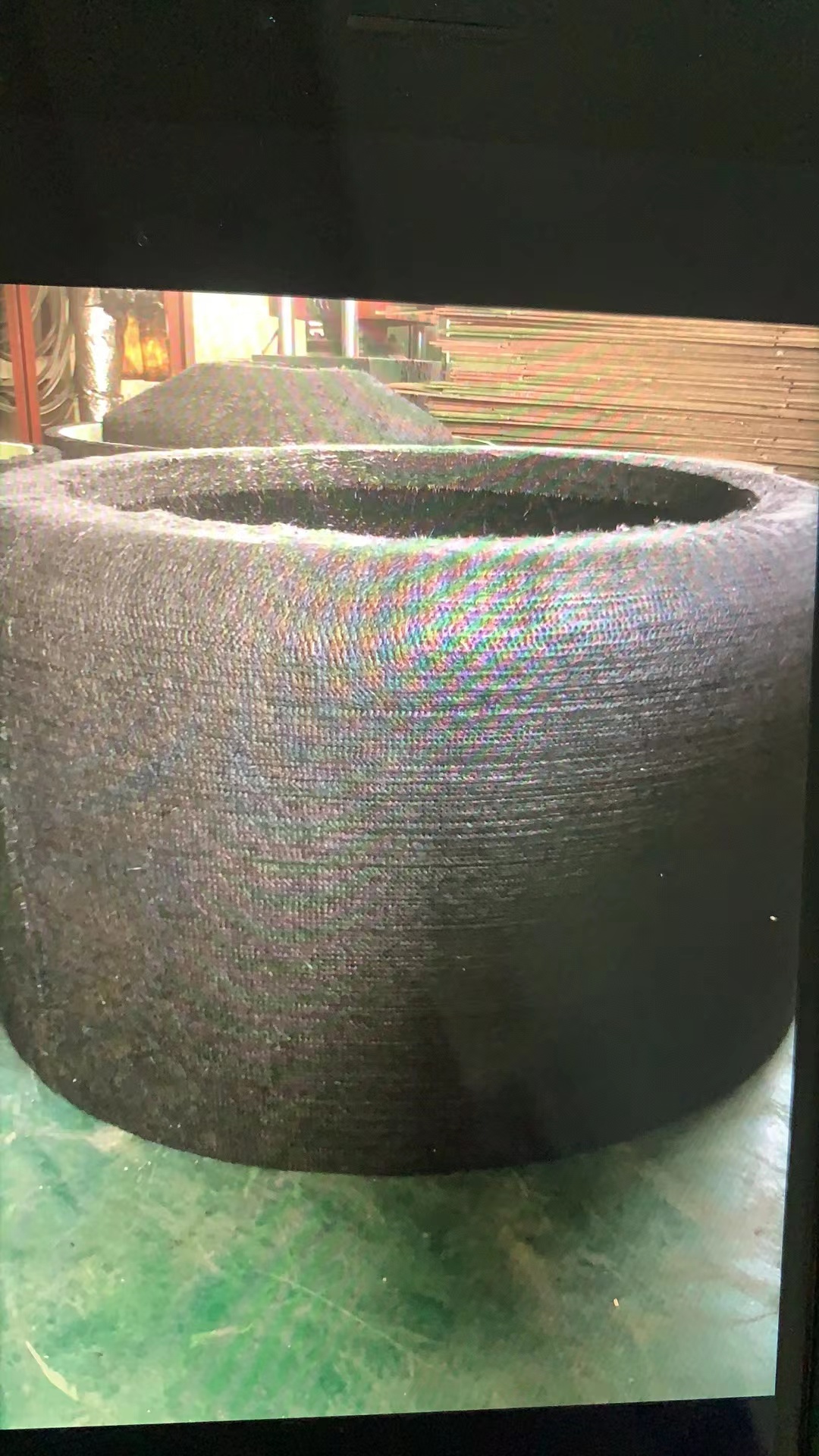
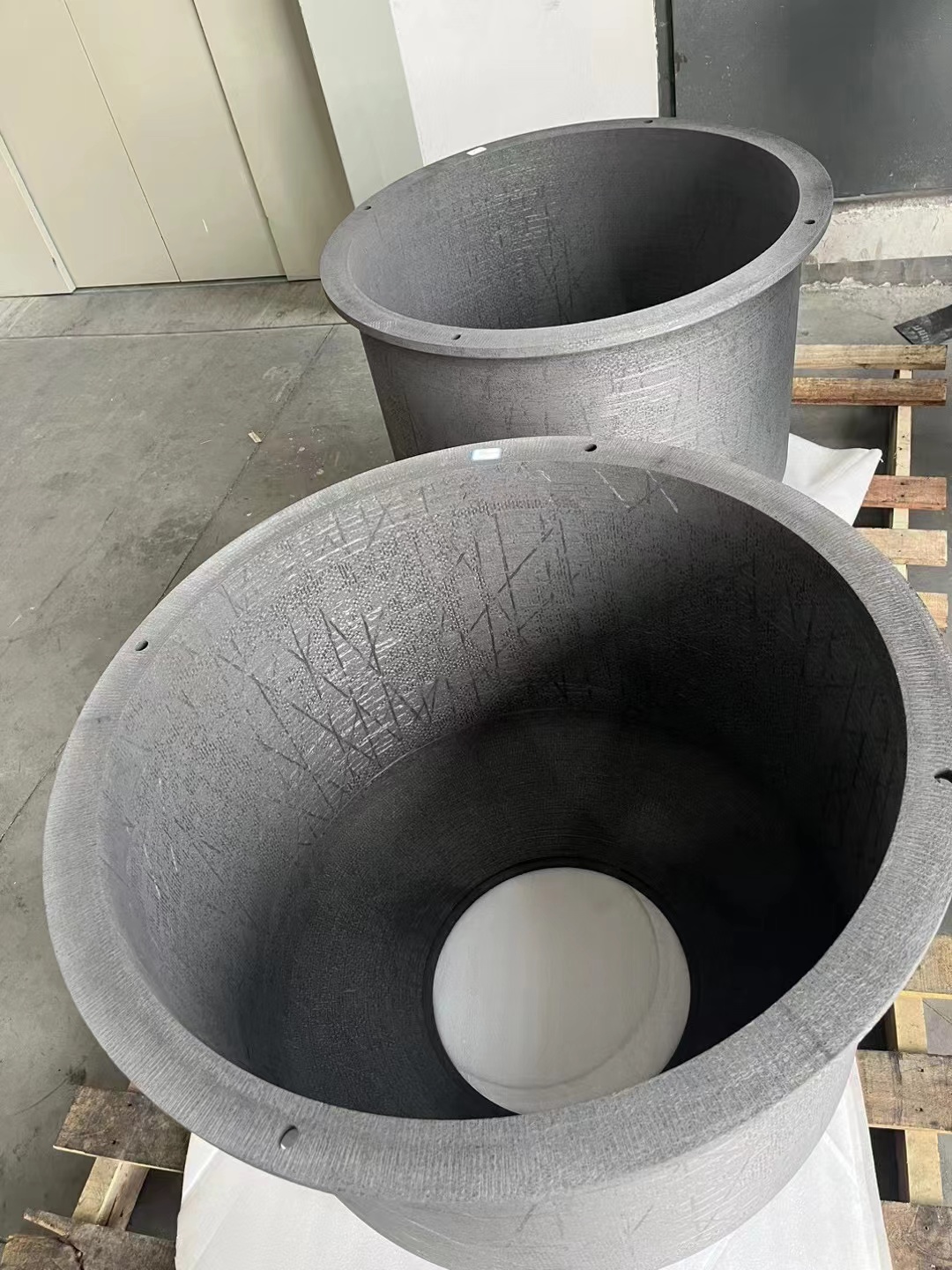
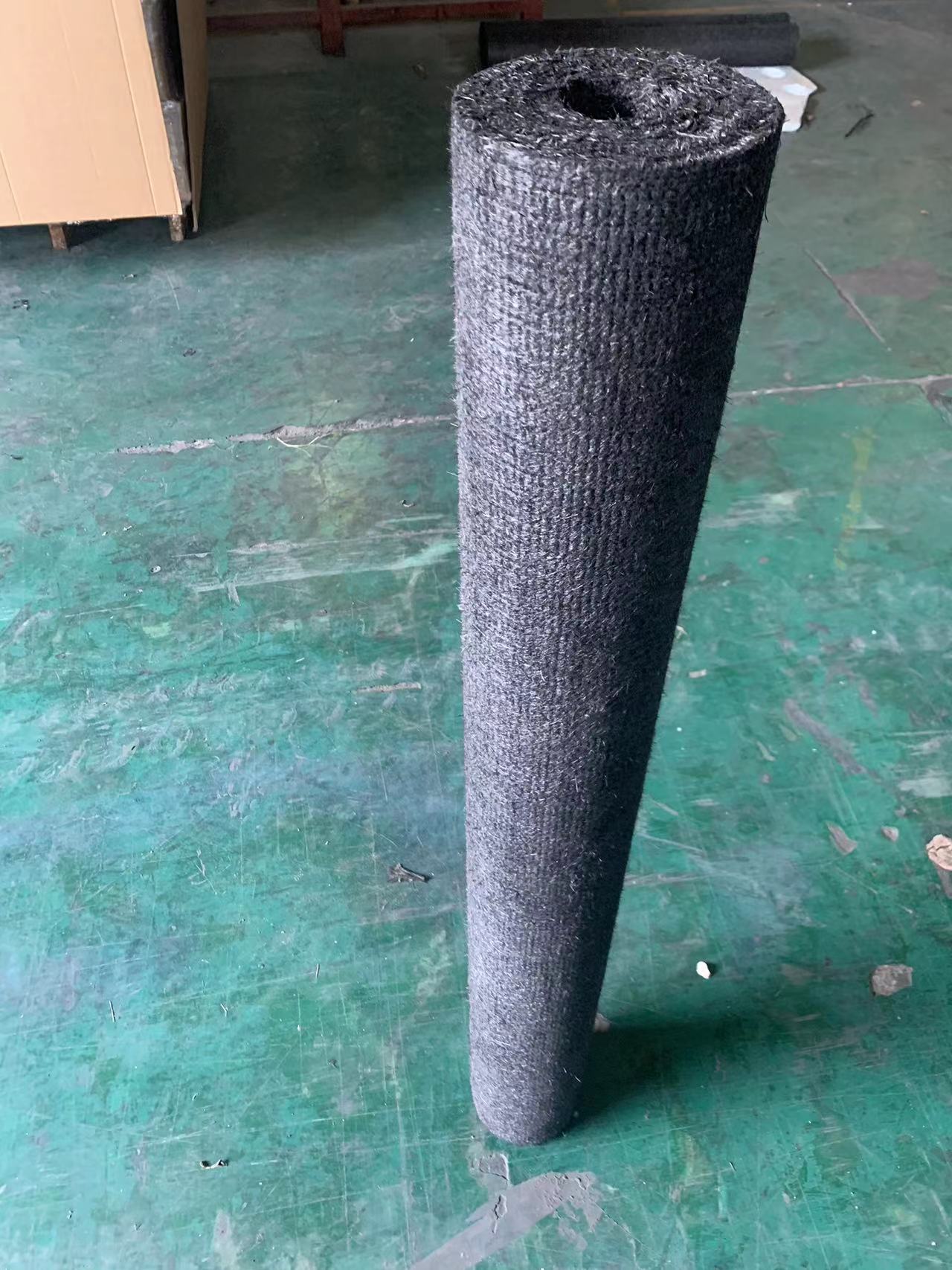
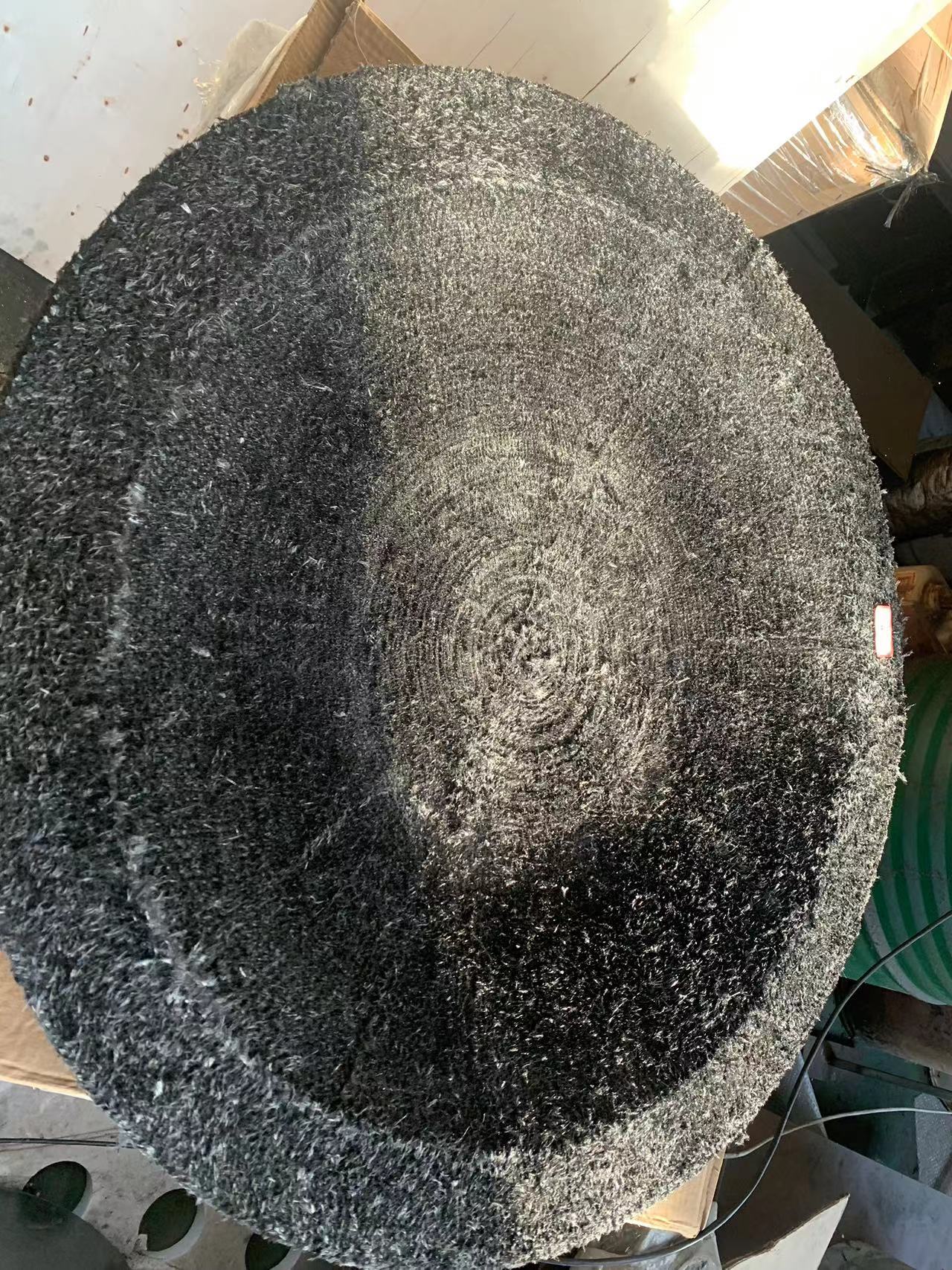
Carbon fiber preform
Carbon Fiber Preform Complete Technical Specifications (Needling / 2D Laying / 3D Weaving / Short Fiber Molding, Export TDS General Version, Carbon Ceramic C/SiC, C/C General) I. Raw Material Basic Specifications (Unified for All Categories) 1. Raw Fiber Grade: PAN-based T400/T700 12K (Mainstream), Single Fiber Diameter 7μm, Fiber True Density 1.76g/cm³ 2. Raw Material Ratio (Needling Mainstream): UD Non-Woven Fabric + Carbon Fiber Mesh Core, Fabric : Mesh Core Volume Ratio = 2 : 1; Mesh Core Weight 60~120g/㎡, UD Fabric 150~300g/㎡ 3. Finishing / Impurities: Low Finishing Rate ≤ 1.0% (Convenient for High Temperature Degreasing), Carbon Content ≥ 95%, High Purity Single Crystal Furnace Grade ≥ 99%, Ash Content ≤ 0.3%, Moisture Content ≤ 0.4% 4. Thermal Stability: Oxidation begins at 420℃ in Air, Fiber Structure Stable at 2500℃ in Inert Atmosphere II. Core Key Parameters of Four Categories (Industry Mass Production Standards) 1. Needling Composite Preform (UD + Mesh Core Layer-by-Layer Needling | Carbon Ceramic Brake, Single Crystal Furnace Thermal Field, Aviation Brake Mainstream) Table Detection Items Carbon Ceramic Brake Specialized Single Crystal Furnace Thermal Field Insulation Aviation Aircraft Brake Disk Tolerance Volume Density 0.45~0.55g/cm³ 0.40~0.48g/cm³ 0.53~0.62g/cm³ ±0.03g/cm³ Needling Density 24~30 Needles/cm² 16~20 Needles/cm² 28~32 Needles/cm² ±2 Needling Depth 10~12mm 8~10mm 11~13mm ±1mm Laying Density 14~18 Layers / 10mm 12~15 Layers / 10mm 16~20 Layers / 10mm ±1 Layer / 10mm Mechanical (Preform Blank): Z Direction Compression Strength ≥ 1.2MPa, Layer Interchange Free, No Mesh Breakage, No Hole 2. 2D Laying Preform (Carbon Cloth Plain / Diagonal Layering, No Needling | Thin Plate C/C Sheet) • Volume Density: 0.55~0.75g/cm³; Open Hole Porosity: 18%~30% • Disadvantages: Z Direction No贯通 Fiber, Layer Interchange Weak, High Temperature Likely to Layer; Face Internal Strength High, Flatness Excellent • Common Carbon Cloth: 200/300g/㎡ Plain Carbon Cloth, Layer Count Can Be Added as Needed 3. 3D Overall Weaving Preform (Full Directional Three-Dimensional Interweaving | Aerospace Throat Liner, Military Specialized Parts) • Volume Density: 0.60~0.85g/cm³, Open Hole Porosity 15%~25% • Full Directional Equal Strength, No Layering; Small Porosity, RMI Melting Silicon Penetration Difficulty High, High Cost 4. Short Fiber Molding Preform (Short Cut Carbon Fiber + Carbon Powder Pressing | Low-end Insulation, Conductive Carbon Plate) • Volume Density: 0.35~0.50g/cm³, Isotropic, Low Strength, Lowest Cost III. General Physical and Chemical Acceptance Indicators (Factory Mandatory Inspection) 1. Dimension Tolerance: Plate Length and Width ±0.5mm; Circular Ring Inner and Outer Diameter ±1mm; Circular Tube Height ±1mm 2. Appearance: No Foreign Glass Fiber / Chemical Fiber Impurities, No Local Mesh and Fabric Missing, No Needling Breakthrough Holes, Surface Smooth and No Hairing 3. Permeability (CVI/RMI densification key): The gas permeability of the needle-punched preform is ≥ 2.2 × 10⁻⁹ m², ensuring that molten silicon / pyrolytic carbon is uniformly infiltrated. 5. Thermal expansion coefficient: From room temperature to 1000°C, CTE < 3.5 × 10⁻⁶/°C, nearly zero expansion and no cracking under thermal shock. 4. Post-processing product benchmarking (from preform to C/SiC carbon ceramic finished product reference) Preform after CVI + RMI melting of silicon: • Finished product density: 1.90 - 2.05 g/cm³; bending strength ≥ 380 MPa; interlayer shear ≥ 30 MPa 5. Selection quick-reference table (order matching) 1. Passenger car / heavy truck carbon ceramic brake discs: Needle-punched preform, density 0.48 - 0.52 g/cm³, needle punching 26 - 28 needles / cm² 2. Photovoltaic single crystal furnace crucible / diversion tube: Low density 0.42 - 0.46 g/cm³, needle punching 18 needles / cm² or so, high porosity and heat insulation 3. Aviation passenger aircraft carbon brakes: High density and needle punching, density 0.55 - 0.60 g/cm³, needle punching 30 needles / cm² 4. Small C/C heat insulation plate: 2D layered preform, cost-performance priority
- Parameters
Carbon Fiber Preform Complete Technical Specifications (Needling / 2D Laying / 3D Weaving / Short Fiber Molding, Export TDS General Version, Carbon Ceramic C/SiC, C/C General) I. Raw Material Basic Specifications (Unified for All Categories) 1. Raw Fiber Grade: PAN-based T400/T700 12K (Mainstream), Single Fiber Diameter 7μm, Fiber True Density 1.76g/cm³ 2. Raw Material Ratio (Needling Mainstream): UD Non-Woven Fabric + Carbon Fiber Mesh Core, Fabric : Mesh Core Volume Ratio = 2 : 1; Mesh Core Weight 60~120g/㎡, UD Fabric 150~300g/㎡ 3. Finishing / Impurities: Low Finishing Rate ≤ 1.0% (Convenient for High Temperature Degreasing), Carbon Content ≥ 95%, High Purity Single Crystal Furnace Grade ≥ 99%, Ash Content ≤ 0.3%, Moisture Content ≤ 0.4% 4. Thermal Stability: Oxidation begins at 420℃ in Air, Fiber Structure Stable at 2500℃ in Inert Atmosphere II. Core Key Parameters of Four Categories (Industry Mass Production Standards) 1. Needling Composite Preform (UD + Mesh Core Layer-by-Layer Needling | Carbon Ceramic Brake, Single Crystal Furnace Thermal Field, Aviation Brake Mainstream) Table Detection Items Carbon Ceramic Brake Specialized Single Crystal Furnace Thermal Field Insulation Aviation Aircraft Brake Disk Tolerance Volume Density 0.45~0.55g/cm³ 0.40~0.48g/cm³ 0.53~0.62g/cm³ ±0.03g/cm³ Needling Density 24~30 Needles/cm² 16~20 Needles/cm² 28~32 Needles/cm² ±2 Needling Depth 10~12mm 8~10mm 11~13mm ±1mm Laying Density 14~18 Layers / 10mm 12~15 Layers / 10mm 16~20 Layers / 10mm ±1 Layer / 10mm Mechanical (Preform Blank): Z Direction Compression Strength ≥ 1.2MPa, Layer Interchange Free, No Mesh Breakage, No Hole 2. 2D Laying Preform (Carbon Cloth Plain / Diagonal Layering, No Needling | Thin Plate C/C Sheet) • Volume Density: 0.55~0.75g/cm³; Open Hole Porosity: 18%~30% • Disadvantages: Z Direction No贯通 Fiber, Layer Interchange Weak, High Temperature Likely to Layer; Face Internal Strength High, Flatness Excellent • Common Carbon Cloth: 200/300g/㎡ Plain Carbon Cloth, Layer Count Can Be Added as Needed 3. 3D Overall Weaving Preform (Full Directional Three-Dimensional Interweaving | Aerospace Throat Liner, Military Specialized Parts) • Volume Density: 0.60~0.85g/cm³, Open Hole Porosity 15%~25% • Full Directional Equal Strength, No Layering; Small Porosity, RMI Melting Silicon Penetration Difficulty High, High Cost 4. Short Fiber Molding Preform (Short Cut Carbon Fiber + Carbon Powder Pressing | Low-end Insulation, Conductive Carbon Plate) • Volume Density: 0.35~0.50g/cm³, Isotropic, Low Strength, Lowest Cost III. General Physical and Chemical Acceptance Indicators (Factory Mandatory Inspection) 1. Dimension Tolerance: Plate Length and Width ±0.5mm; Circular Ring Inner and Outer Diameter ±1mm; Circular Tube Height ±1mm 2. Appearance: No Foreign Glass Fiber / Chemical Fiber Impurities, No Local Mesh and Fabric Missing, No Needling Breakthrough Holes, Surface Smooth and No Hairing 3. Permeability (CVI/RMI densification key): The gas permeability of the needle-punched preform is ≥ 2.2 × 10⁻⁹ m², ensuring that molten silicon / pyrolytic carbon is uniformly infiltrated. 5. Thermal expansion coefficient: From room temperature to 1000°C, CTE < 3.5 × 10⁻⁶/°C, nearly zero expansion and no cracking under thermal shock. 4. Post-processing product benchmarking (from preform to C/SiC carbon ceramic finished product reference) Preform after CVI + RMI melting of silicon: • Finished product density: 1.90 - 2.05 g/cm³; bending strength ≥ 380 MPa; interlayer shear ≥ 30 MPa 5. Selection quick-reference table (order matching) 1. Passenger car / heavy truck carbon ceramic brake discs: Needle-punched preform, density 0.48 - 0.52 g/cm³, needle punching 26 - 28 needles / cm² 2. Photovoltaic single crystal furnace crucible / diversion tube: Low density 0.42 - 0.46 g/cm³, needle punching 18 needles / cm² or so, high porosity and heat insulation 3. Aviation passenger aircraft carbon brakes: High density and needle punching, density 0.55 - 0.60 g/cm³, needle punching 30 needles / cm² 4. Small C/C heat insulation plate: 2D layered preform, cost-performance priority
Carbon fiber preforms (C/C, C/SiC carbon ceramic substrates) classification, performance parameters + all application scenarios
Preforms are the mainframe substrates for carbon-carbon and carbon ceramic composite materials. The mainstream types include needle-punched composite preforms (mass production mainstay), 2D laminated preforms, 3D three-dimensional woven preforms, and short-fiber molded preforms. The raw materials mostly use T400/T700 12K PAN carbon fibers (dry cloth + carbon fiber mesh composite).
1. Four major categories of key technical indicators & performance
1. Needle-punched composite preform (non-woven UD fabric + mesh fabric cross-laminated needle-punched, mainstream for carbon ceramic brakes / thermal insulation, your main product category)
Core parameters (industry standard)
Raw materials: 12K T400/T700 unidirectional UD dry cloth + 50~120g/㎡ carbon fiber mesh, UD: mesh volume ratio ≈ 2:1
Needle-punch density: 18~32 needles / cm² (brake 22~30 needles / cm²; thermal insulation insulation 15~20 needles / cm²)
Volume density: 0.42~0.62g/cm³ (carbon ceramic brake-specific 0.45~0.55g/cm³)
Long fiber ratio: 65%~83%, Z-axis needle-punched fibers penetrate interlayers
Open pore porosity: 28%~42% (key: ensure CVI gas phase carburization, LSI melt silicon penetration)
Thickness direction layer density: 12~20 layers / cm
Product performance
Quasi-three-dimensional structure, interlayer strength far superior to pure 2D laminated, no delamination, no cracking under thermal shock;
Excellent pore connectivity, uniform melt silicon and gas phase deposition densification, no silicon deficiency or void defects in the finished product;
Lightweight, high-temperature resistant, stable structure at >2500℃ inert atmosphere, slow oxidation at <430℃;
Customizable flat, circular ring, cylindrical, and irregularly shaped integrated blanks.
2. Two-dimensional laminated preform (plain weave / diagonal weave carbon fabric layer-by-layer stacking, no needle-punching)
Density: 0.55~0.75g/cm³, pores 18%~30%
Shortcomings: Z-axis no fibers, interlayer shear difference, prone to delamination at high temperatures;
Advantages: High in-plane strength, good flatness, low cost;
Applicable: Thin plates, small C/C plates.
3. Three-dimensional overall woven preform (three-dimensional warp and weft Z-axis integrated weaving)
Density: 0.6~0.85g/cm³, pores 15%~25%, all-directional equal strength, no delamination;
Disadvantages: Weaving cost high, pores small, melt silicon difficulty large;
Applicable: Aerospace nozzle throat liners, high-pressure military irregular parts.
4. Short-fiber molded preform (short-cut carbon powder + short-fiber pressing)
Density: 0.35~0.5g/cm³, isotropic, low strength, low cost;
Applicable: Low-end insulation, conductive carbon plates, filter substrates.
2. General physical and chemical properties (all types of preforms)
Carbon content ≥ 95%, high-purity grade (single crystal furnace) ≥ 99%, ash content ≤ 0.3% (avoid high-temperature impurities foaming);
Extremely low thermal expansion coefficient (near zero expansion), cold and hot shock resistance, no cracking under repeated heating and cooling;
Resistant to strong acids and strong alkalis, corrosion-resistant, non-self-igniting, no deformation at high temperature;
Density only 1/4 of steel, final carbon ceramic product weight reduction by more than 60%.
3. Specific application scenarios (by industry, suitable for export supply)
1. Automotive carbon ceramic brakes (the largest civilian market, main circular preform)
Product: Circular ring needle-punched preform (sports cars, new energy buses, construction machinery brakes)
Process: Preform → CVI densification C/C blank → melt silicon → C/SiC carbon ceramic brakes
Advantages: High-temperature brake (instant 1500℃), wear-resistant, lightweight, no thermal fade during braking;
Support: Passenger car modification, heavy truck, high-speed rail brake discs. 2. Photovoltaic / Semiconductor Single Crystal Furnace Thermal Field (Cylindrical, Crucible, Diversion Tube Preforms)
Products: Cylindrical insulation cylinder, Crucible坯, Diversion tube, Flat Hard毡 Preform
Process: Preform carbonization C/C molding, used as thermal insulation and bearing crucible for single crystal silicon / sapphire growth furnaces;
Operating Conditions: Long-term constant temperature at 1400~1700℃, high-purity without silicon material contamination.
Casting mold preform
Flow channel prefabricated body
3. Aerospace & Military (High-end irregular shapes + Disc prefabricated bodies)
Civilian aircraft carbon brake discs: Large ring-shaped needle-punched prefabricated bodies (domestic supplier: Jiangsu Tianniao);
Rocket solid engine: 3D woven prefabricated bodies (nozzle throat liner, tail nozzle, resistant to 3000°C high-temperature ablation);
Missile ends, heat-resistant structural components of aircraft.
4. Metallurgy / High-temperature industrial furnaces (Flat + Tubular prefabricated bodies)
Vacuum sintering furnaces, powder metallurgy furnaces, graphiteizing furnaces, insulation carbon plates, heat insulation tubes, heating element substrates.
5. New Energy & Electrochemistry
Vanadium liquid flow battery electrode prefabricated bodies, high-temperature corrosion-resistant filter carbon materials, electrolytic cell conductive substrates.
Four. Simple Comparison Table for Selection (Used for Order Selection)
Carbon ceramic brakes: UD + tire needle-punched, density 0.45 - 0.52g/cm³, needle-punched 24 - 30 needles/cm²;
Single crystal furnace crucible / insulation: low density 0.4 - 0.48g/cm³, needle-punched 16 - 20 needles/cm², high porosity conducive to insulation;
Aerospace brakes: high density 0.53 - 0.62g/cm³, high needle-punching density, long fiber content ≥ 78%;
Thin plate C/C sheet: 2D carbon fiber laminate prefabricated body, priority to cost performance.


 Copy product links
 Long by picture save/share
INQUIRY


Add Successfully
INQUIRY
Add Successfully
Related Products
Carbon fiber cloth

Carbon fiber cutting

Carbon Fiber Brake Discs
Carbon-carbon brake discs adopt carbon fiber composite material. With high temperature resistance, stable friction, lightweight and long service life. Suitable for aerospace and racing, custom sizes available.

Carbon Fiber Fasteners
Carbon fiber fasteners are carbon-carbon composite fasteners with high temperature resistance, low density and corrosion resistance. Custom sizes for aerospace and thermal industry.
