


English
- English

CONTACT US
If you have any queries, get in touch today! Don't hesitate. We try to take the extra step for our customer satisfaction.
Our Products
We will provide high-quality and low-cost carbon fiber materials
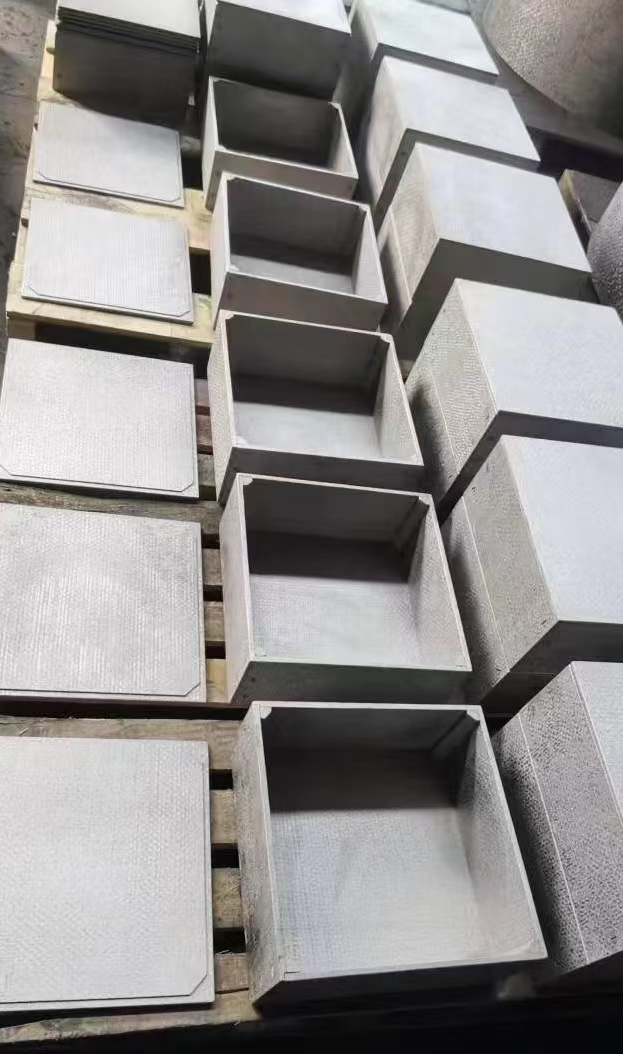

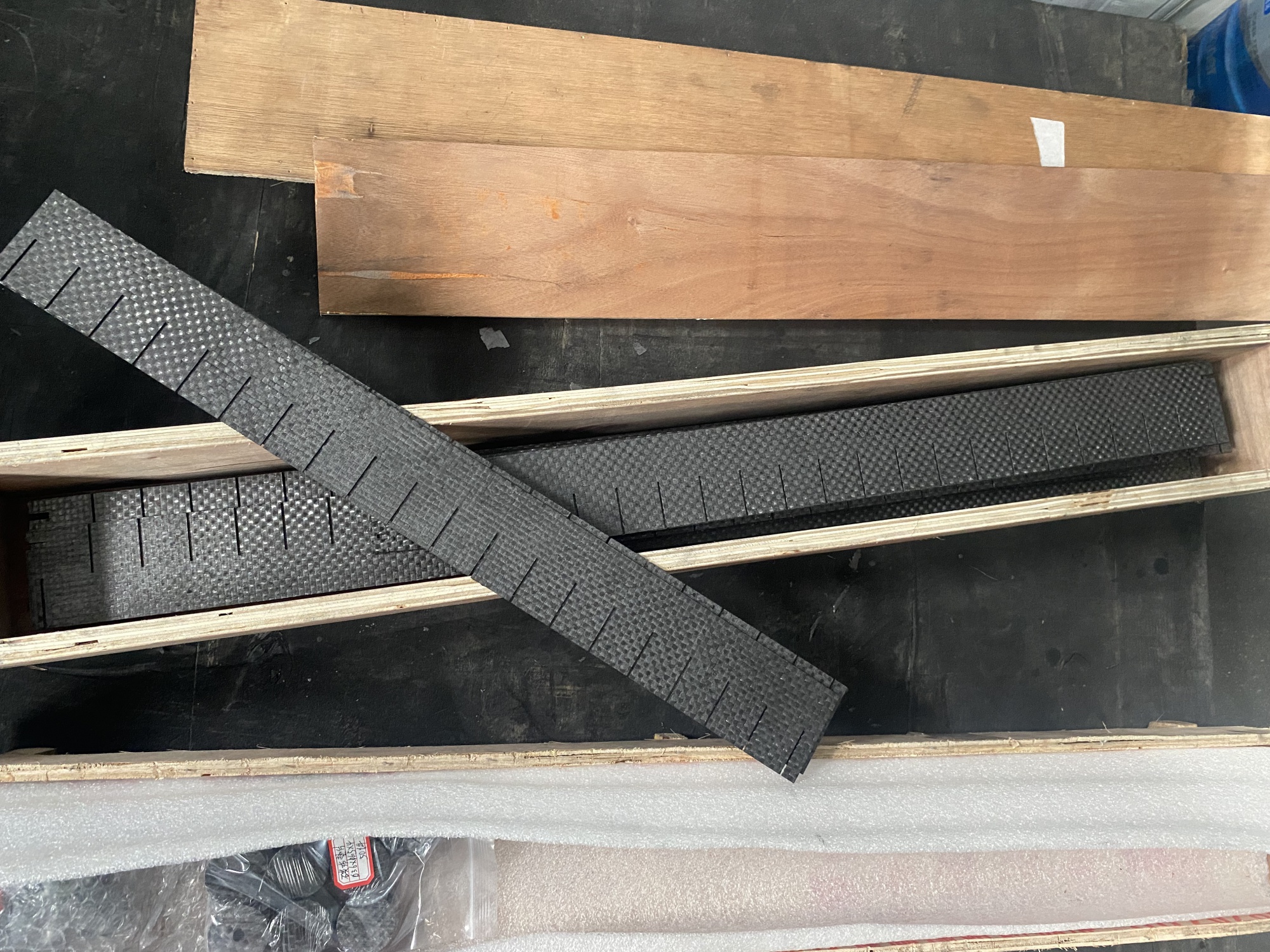

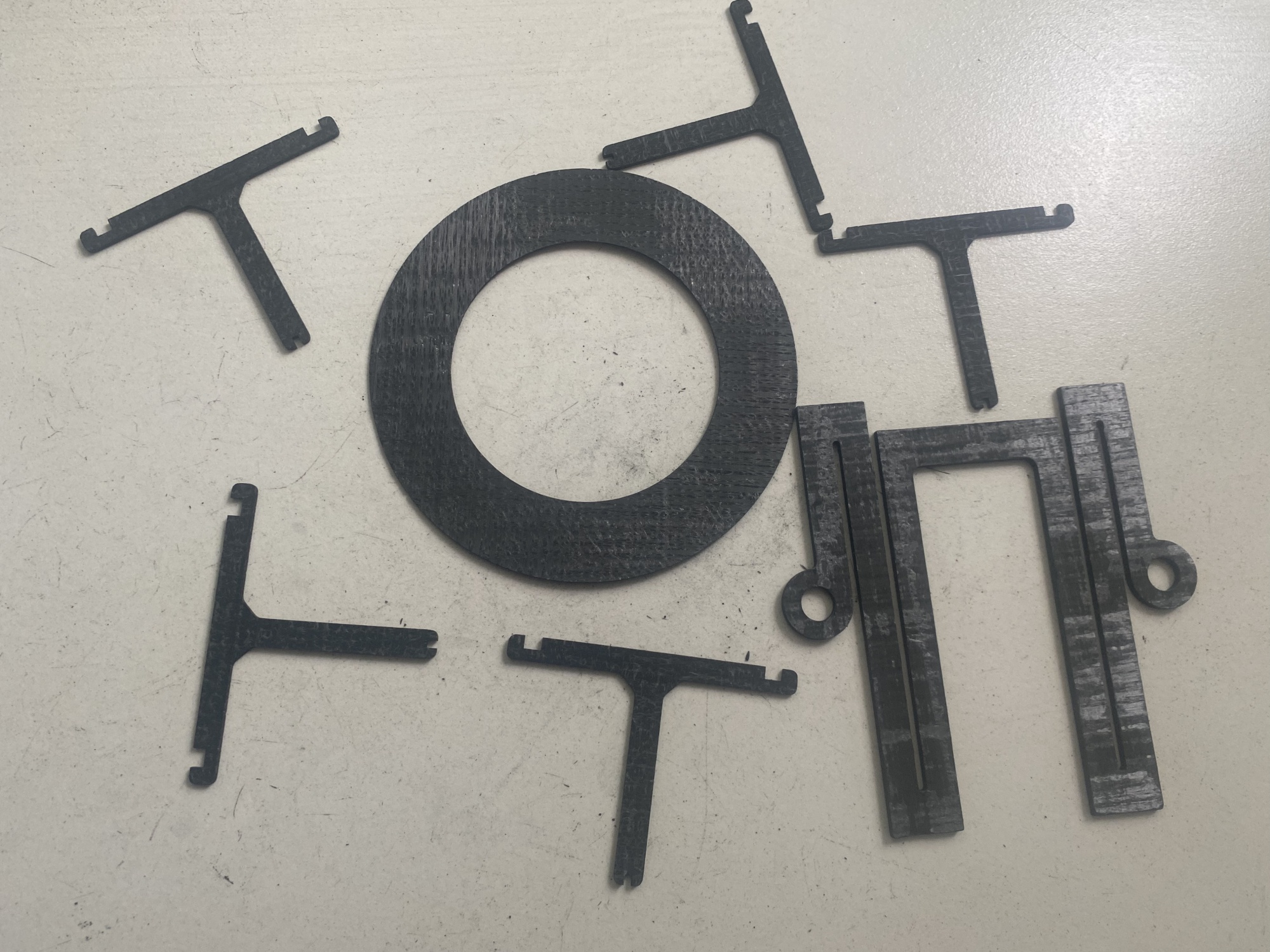
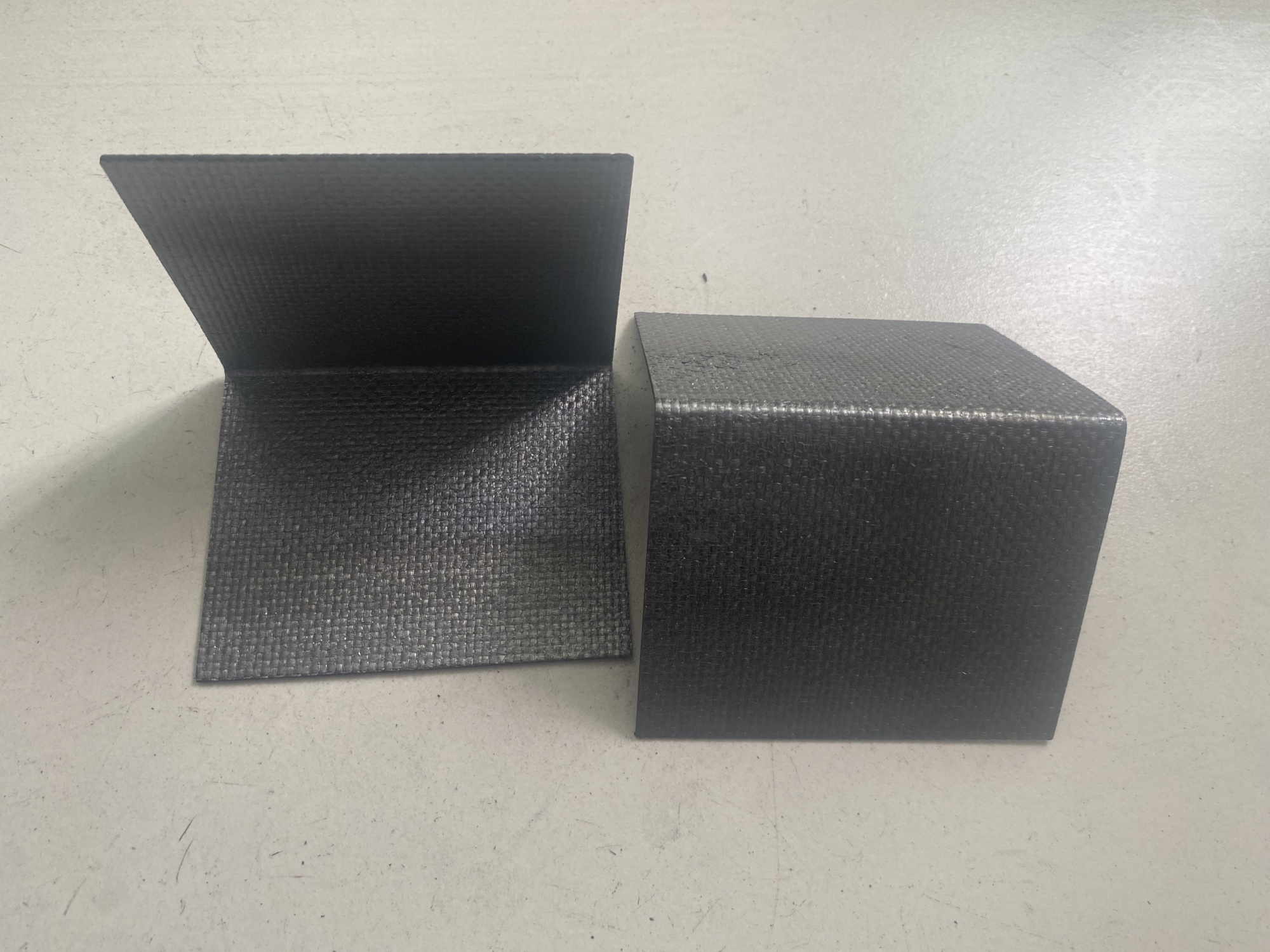


Tight solid
Carbon Fiber Reinforced Polymer/Carbon-Carbon (CFRP/C-C) Fastener Technical Specifications and Performance Indicators
The two main systems, CFRP (carbon fiber-reinforced polymer) and C-C (carbon-carbon), include physical, mechanical, thermal, electrical, thread, and quality control specifications, which can be directly used for procurement and quality inspection.
1. Basic Material Properties
1.1 Material and Composition
Reinforcement: PAN-based carbon fiber (T300/T700), fiber content 60–75 wt%
Matrix: Epoxy resin / PEEK / Cyanate ester (CFRP); pure carbon matrix (C-C)
Density:
CFRP: 1.5–1.7 g/cm³ (70% lighter than steel, 40% lighter than aluminum)
C-C: 1.6–1.8 g/cm³
Carbon content: CFRP ≥ 95% C-C ≥ 99%
Appearance: Black, dense cylinder with no surface cracks or delamination
2. Specification Range (Metric)
Thread Size: M3–M20 (commonly used: M4/M5/M6/M8/M10/M12)
Length: 6–500 mm (standard / custom)
Thread Class: 6g (external thread) / 6H (internal thread), ISO 965 accuracy
Head Type: Hex socket (DIN 912), countersunk (DIN 7991), hex head, double-ended stud
II. Core Mechanical Properties (Room Temperature, Typical Values for M8)
1. Tensile Properties
Tensile Strength: 800–1500 MPa (CFRP); 1200–2000 MPa (C-C)
Elastic Modulus: 120–220 GPa (CFRP); 200–300 GPa (C-C)
Elongation at Break: 1.0–1.8%
Tensile Load Capacity (M8): 20–35 kN
2. Shear and Bearing
In-plane Shear Strength: 80–150 MPa
Bearing Strength: 250–400 MPa (at t/D = 1.0)
Recommended Pretension: M6 ≈ 3–5 N·m; M8 ≈ 6–10 N·m M10 ≈ 10–15 N·m
3. Hardness and Fatigue
Hardness: Shore D 75–85
Fatigue life: ≥10⁶ cycles (50% ultimate load, no fracture)
III. Thermal Properties
Glass transition temperature Tg: 120–250°C (epoxy); >300°C (PEEK/cyanate ester)
Long-term service temperature:
CFRP: -50°C to +180°C (air)
C-C: -200°C to +2000°C (inert atmosphere); ≤1600°C (SiC-coated, oxidation-resistant)
Thermal conductivity: 30–150 W/(m·K) (anisotropic, high axial value)
Coefficient of thermal expansion (CTE): 0.5–1.3×10⁻⁶ /K (near-zero expansion, excellent dimensional stability)
IV. Electrical and Environmental Performance
Electrical resistivity: 10⁻³–10⁻⁵ Ω·cm (conductive type); ≥10¹² Ω·cm (insulating type)
Magnetic properties: non-magnetic (suitable for MRI, radar, medical devices)
Corrosion resistance: resistant to acids, alkalis, salt spray, seawater, organic solvents; no rusting
Flammability: UL94 V-0 (self-extinguishing)
Outgassing in vacuum: ≤0.1% TML, ≤0.01% CVCM (space-grade)
V. Key Quality Control Indicators (QC)
Fiber orientation: Axial fiber content ≥80% (ensures strength)
Porosity: ≤1.5% (no visible voids or delamination)
Metallic impurities: Fe/Na/Cu ≤50 ppm (high-purity grade)
Thread accuracy: Go gauge passes, no-go gauge fails; thread profile intact, no chipping or burrs
Appearance: Smooth surface, free from cracks, exposed fibers, or burn marks
Batch consistency: Mechanical property variation ≤±8%
VI. Quick Guide: CFRP vs C-C Selection
Temperature <180°C, lightweight, low cost → CFRP (epoxy/PEEK)
Temperature >180°C, ultra-high temperature, vacuum/inert environment → C-C composite
Conductivity required → Choose conductive type (10⁻³ Ω·cm)
Insulation/electromagnetic interference protection → Choose insulating type (≥10¹² Ω·cm)
VII. Common Failure Modes and Limitations
Brittleness: Low impact and shear resistance; avoid severe impacts and lateral forces
Preload: Do not over-tighten (M8 recommended ≤10 N·m) to prevent thread stripping
Carbon Fiber Reinforced Polymer/Carbon-Carbon (CFRP/C-C) Fastener Technical Specifications and Performance Indicators
The two main systems, CFRP (carbon fiber-reinforced polymer) and C-C (carbon-carbon), include physical, mechanical, thermal, electrical, thread, and quality control specifications, which can be directly used for procurement and quality inspection.
1. Basic Material Properties
1.1 Material and Composition
Reinforcement: PAN-based carbon fiber (T300/T700), fiber content 60–75 wt%
Matrix: Epoxy resin / PEEK / Cyanate ester (CFRP); pure carbon matrix (C-C)
Density:
CFRP: 1.5–1.7 g/cm³ (70% lighter than steel, 40% lighter than aluminum)
C-C: 1.6–1.8 g/cm³
Carbon content: CFRP ≥ 95% C-C ≥ 99%
Appearance: Black, dense cylinder with no surface cracks or delamination
2. Specification Range (Metric)
Thread Size: M3–M20 (commonly used: M4/M5/M6/M8/M10/M12)
Length: 6–500 mm (standard / custom)
Thread Class: 6g (external thread) / 6H (internal thread), ISO 965 accuracy
Head Type: Hex socket (DIN 912), countersunk (DIN 7991), hex head, double-ended stud
II. Core Mechanical Properties (Room Temperature, Typical Values for M8)
1. Tensile Properties
Tensile Strength: 800–1500 MPa (CFRP); 1200–2000 MPa (C-C)
Elastic Modulus: 120–220 GPa (CFRP); 200–300 GPa (C-C)
Elongation at Break: 1.0–1.8%
Tensile Load Capacity (M8): 20–35 kN
2. Shear and Bearing
In-plane Shear Strength: 80–150 MPa
Bearing Strength: 250–400 MPa (at t/D = 1.0)
Recommended Pretension: M6 ≈ 3–5 N·m; M8 ≈ 6–10 N·m M10 ≈ 10–15 N·m
3. Hardness and Fatigue
Hardness: Shore D 75–85
Fatigue life: ≥10⁶ cycles (50% ultimate load, no fracture)
III. Thermal Properties
Glass transition temperature Tg: 120–250°C (epoxy); >300°C (PEEK/cyanate ester)
Long-term service temperature:
CFRP: -50°C to +180°C (air)
C-C: -200°C to +2000°C (inert atmosphere); ≤1600°C (SiC-coated, oxidation-resistant)
Thermal conductivity: 30–150 W/(m·K) (anisotropic, high axial value)
Coefficient of thermal expansion (CTE): 0.5–1.3×10⁻⁶ /K (near-zero expansion, excellent dimensional stability)
IV. Electrical and Environmental Performance
Electrical resistivity: 10⁻³–10⁻⁵ Ω·cm (conductive type); ≥10¹² Ω·cm (insulating type)
Magnetic properties: non-magnetic (suitable for MRI, radar, medical devices)
Corrosion resistance: resistant to acids, alkalis, salt spray, seawater, organic solvents; no rusting
Flammability: UL94 V-0 (self-extinguishing)
Outgassing in vacuum: ≤0.1% TML, ≤0.01% CVCM (space-grade)
V. Key Quality Control Indicators (QC)
Fiber orientation: Axial fiber content ≥80% (ensures strength)
Porosity: ≤1.5% (no visible voids or delamination)
Metallic impurities: Fe/Na/Cu ≤50 ppm (high-purity grade)
Thread accuracy: Go gauge passes, no-go gauge fails; thread profile intact, no chipping or burrs
Appearance: Smooth surface, free from cracks, exposed fibers, or burn marks
Batch consistency: Mechanical property variation ≤±8%
VI. Quick Guide: CFRP vs C-C Selection
Temperature <180°C, lightweight, low cost → CFRP (epoxy/PEEK)
Temperature >180°C, ultra-high temperature, vacuum/inert environment → C-C composite
Conductivity required → Choose conductive type (10⁻³ Ω·cm)
Insulation/electromagnetic interference protection → Choose insulating type (≥10¹² Ω·cm)
VII. Common Failure Modes and Limitations
Brittleness: Low impact and shear resistance; avoid severe impacts and lateral forces
Preload: Do not over-tighten (M8 recommended ≤10 N·m) to prevent thread stripping
Pairing: Use non-metallic washers when joining with metal to avoid galvanic corrosion
- Parameters
Carbon Fiber Reinforced Polymer/Carbon-Carbon (CFRP/C-C) Fastener Technical Specifications and Performance Indicators
The two main systems, CFRP (carbon fiber-reinforced polymer) and C-C (carbon-carbon), include physical, mechanical, thermal, electrical, thread, and quality control specifications, which can be directly used for procurement and quality inspection.
1. Basic Material Properties
1.1 Material and Composition
Reinforcement: PAN-based carbon fiber (T300/T700), fiber content 60–75 wt%
Matrix: Epoxy resin / PEEK / Cyanate ester (CFRP); pure carbon matrix (C-C)
Density:
CFRP: 1.5–1.7 g/cm³ (70% lighter than steel, 40% lighter than aluminum)
C-C: 1.6–1.8 g/cm³
Carbon content: CFRP ≥ 95% C-C ≥ 99%
Appearance: Black, dense cylinder with no surface cracks or delamination
2. Specification Range (Metric)
Thread Size: M3–M20 (commonly used: M4/M5/M6/M8/M10/M12)
Length: 6–500 mm (standard / custom)
Thread Class: 6g (external thread) / 6H (internal thread), ISO 965 accuracy
Head Type: Hex socket (DIN 912), countersunk (DIN 7991), hex head, double-ended stud
II. Core Mechanical Properties (Room Temperature, Typical Values for M8)
1. Tensile Properties
Tensile Strength: 800–1500 MPa (CFRP); 1200–2000 MPa (C-C)
Elastic Modulus: 120–220 GPa (CFRP); 200–300 GPa (C-C)
Elongation at Break: 1.0–1.8%
Tensile Load Capacity (M8): 20–35 kN
2. Shear and Bearing
In-plane Shear Strength: 80–150 MPa
Bearing Strength: 250–400 MPa (at t/D = 1.0)
Recommended Pretension: M6 ≈ 3–5 N·m; M8 ≈ 6–10 N·m M10 ≈ 10–15 N·m
3. Hardness and Fatigue
Hardness: Shore D 75–85
Fatigue life: ≥10⁶ cycles (50% ultimate load, no fracture)
III. Thermal Properties
Glass transition temperature Tg: 120–250°C (epoxy); >300°C (PEEK/cyanate ester)
Long-term service temperature:
CFRP: -50°C to +180°C (air)
C-C: -200°C to +2000°C (inert atmosphere); ≤1600°C (SiC-coated, oxidation-resistant)
Thermal conductivity: 30–150 W/(m·K) (anisotropic, high axial value)
Coefficient of thermal expansion (CTE): 0.5–1.3×10⁻⁶ /K (near-zero expansion, excellent dimensional stability)
IV. Electrical and Environmental Performance
Electrical resistivity: 10⁻³–10⁻⁵ Ω·cm (conductive type); ≥10¹² Ω·cm (insulating type)
Magnetic properties: non-magnetic (suitable for MRI, radar, medical devices)
Corrosion resistance: resistant to acids, alkalis, salt spray, seawater, organic solvents; no rusting
Flammability: UL94 V-0 (self-extinguishing)
Outgassing in vacuum: ≤0.1% TML, ≤0.01% CVCM (space-grade)
V. Key Quality Control Indicators (QC)
Fiber orientation: Axial fiber content ≥80% (ensures strength)
Porosity: ≤1.5% (no visible voids or delamination)
Metallic impurities: Fe/Na/Cu ≤50 ppm (high-purity grade)
Thread accuracy: Go gauge passes, no-go gauge fails; thread profile intact, no chipping or burrs
Appearance: Smooth surface, free from cracks, exposed fibers, or burn marks
Batch consistency: Mechanical property variation ≤±8%
VI. Quick Guide: CFRP vs C-C Selection
Temperature <180°C, lightweight, low cost → CFRP (epoxy/PEEK)
Temperature >180°C, ultra-high temperature, vacuum/inert environment → C-C composite
Conductivity required → Choose conductive type (10⁻³ Ω·cm)
Insulation/electromagnetic interference protection → Choose insulating type (≥10¹² Ω·cm)
VII. Common Failure Modes and Limitations
Brittleness: Low impact and shear resistance; avoid severe impacts and lateral forces
Preload: Do not over-tighten (M8 recommended ≤10 N·m) to prevent thread stripping
Carbon Fiber Reinforced Polymer/Carbon-Carbon (CFRP/C-C) Fastener Technical Specifications and Performance Indicators
The two main systems, CFRP (carbon fiber-reinforced polymer) and C-C (carbon-carbon), include physical, mechanical, thermal, electrical, thread, and quality control specifications, which can be directly used for procurement and quality inspection.
1. Basic Material Properties
1.1 Material and Composition
Reinforcement: PAN-based carbon fiber (T300/T700), fiber content 60–75 wt%
Matrix: Epoxy resin / PEEK / Cyanate ester (CFRP); pure carbon matrix (C-C)
Density:
CFRP: 1.5–1.7 g/cm³ (70% lighter than steel, 40% lighter than aluminum)
C-C: 1.6–1.8 g/cm³
Carbon content: CFRP ≥ 95% C-C ≥ 99%
Appearance: Black, dense cylinder with no surface cracks or delamination
2. Specification Range (Metric)
Thread Size: M3–M20 (commonly used: M4/M5/M6/M8/M10/M12)
Length: 6–500 mm (standard / custom)
Thread Class: 6g (external thread) / 6H (internal thread), ISO 965 accuracy
Head Type: Hex socket (DIN 912), countersunk (DIN 7991), hex head, double-ended stud
II. Core Mechanical Properties (Room Temperature, Typical Values for M8)
1. Tensile Properties
Tensile Strength: 800–1500 MPa (CFRP); 1200–2000 MPa (C-C)
Elastic Modulus: 120–220 GPa (CFRP); 200–300 GPa (C-C)
Elongation at Break: 1.0–1.8%
Tensile Load Capacity (M8): 20–35 kN
2. Shear and Bearing
In-plane Shear Strength: 80–150 MPa
Bearing Strength: 250–400 MPa (at t/D = 1.0)
Recommended Pretension: M6 ≈ 3–5 N·m; M8 ≈ 6–10 N·m M10 ≈ 10–15 N·m
3. Hardness and Fatigue
Hardness: Shore D 75–85
Fatigue life: ≥10⁶ cycles (50% ultimate load, no fracture)
III. Thermal Properties
Glass transition temperature Tg: 120–250°C (epoxy); >300°C (PEEK/cyanate ester)
Long-term service temperature:
CFRP: -50°C to +180°C (air)
C-C: -200°C to +2000°C (inert atmosphere); ≤1600°C (SiC-coated, oxidation-resistant)
Thermal conductivity: 30–150 W/(m·K) (anisotropic, high axial value)
Coefficient of thermal expansion (CTE): 0.5–1.3×10⁻⁶ /K (near-zero expansion, excellent dimensional stability)
IV. Electrical and Environmental Performance
Electrical resistivity: 10⁻³–10⁻⁵ Ω·cm (conductive type); ≥10¹² Ω·cm (insulating type)
Magnetic properties: non-magnetic (suitable for MRI, radar, medical devices)
Corrosion resistance: resistant to acids, alkalis, salt spray, seawater, organic solvents; no rusting
Flammability: UL94 V-0 (self-extinguishing)
Outgassing in vacuum: ≤0.1% TML, ≤0.01% CVCM (space-grade)
V. Key Quality Control Indicators (QC)
Fiber orientation: Axial fiber content ≥80% (ensures strength)
Porosity: ≤1.5% (no visible voids or delamination)
Metallic impurities: Fe/Na/Cu ≤50 ppm (high-purity grade)
Thread accuracy: Go gauge passes, no-go gauge fails; thread profile intact, no chipping or burrs
Appearance: Smooth surface, free from cracks, exposed fibers, or burn marks
Batch consistency: Mechanical property variation ≤±8%
VI. Quick Guide: CFRP vs C-C Selection
Temperature <180°C, lightweight, low cost → CFRP (epoxy/PEEK)
Temperature >180°C, ultra-high temperature, vacuum/inert environment → C-C composite
Conductivity required → Choose conductive type (10⁻³ Ω·cm)
Insulation/electromagnetic interference protection → Choose insulating type (≥10¹² Ω·cm)
VII. Common Failure Modes and Limitations
Brittleness: Low impact and shear resistance; avoid severe impacts and lateral forces
Preload: Do not over-tighten (M8 recommended ≤10 N·m) to prevent thread stripping
Pairing: Use non-metallic washers when joining with metal to avoid galvanic corrosion
Carbon Fiber Fastening Products – Introduction & Application Scenarios
Product Introduction
Carbon fiber fastening products mainly include carbon fiber bolts, nuts, screws, studs, washers, threaded rods, custom fasteners and structural connecting components. Made from high-performance continuous carbon fiber reinforced polymer (CFRP) through precision molding, machining and thread forming processes, these fasteners inherit the superior properties of carbon fiber composite materials.
Compared with traditional steel, stainless steel, aluminum and titanium alloy fasteners, they feature ultra-light weight, high specific strength and modulus, corrosion resistance, fatigue resistance, low thermal expansion, non-magnetic conductivity and excellent insulation performance. They can be customized in specifications, surface treatment and mechanical performance to meet industrial-grade assembly and connection requirements.
Key Product Features
Lightweight: up to 70% lighter than steel fasteners, 40% lighter than aluminum
High strength: strength-to-weight ratio far exceeds most metal fasteners
Corrosion resistance: stable in acid, alkali, salt spray and humid environments
Non-magnetic & electrically insulating: suitable for electromagnetic-sensitive equipment
Low thermal expansion coefficient: stable dimensional accuracy under temperature changes
Fatigue resistance & long service life
Customizable: M3–M20 standard threads and special-shaped fasteners available
Main Application Scenarios
1. Aerospace & Aviation
Used in aircraft fuselage assembly, satellite structures, UAV components, engine peripheral parts and interior connections, where weight reduction directly improves payload, range and fuel efficiency.
2. Automotive & Transportation
Applied in high-performance racing cars, new energy vehicles, commercial vehicles and high-speed rail components, including body assembly, chassis parts, battery pack fixtures and lightweight connection structures.
3. Marine & Offshore Engineering
Ideal for shipbuilding, offshore platforms, underwater equipment and marine operating devices due to outstanding saltwater corrosion resistance and non-magnetic properties.
4. Communications & Electronics
Used in communication base stations, radar systems, precision instruments and medical equipment, taking advantage of insulation and non-magnetic characteristics to avoid signal interference.
5. Industrial Equipment & Energy
Widely used in wind turbine components, photovoltaic support structures, chemical machinery, fluid equipment and high-temperature / corrosive working conditions, replacing metal fasteners to extend service life.
6. Sports Equipment & High-End Manufacturing
Applied in racing bicycles, racing boats, robotic arms and precision automation equipment for lightweight and high-rigidity connections.


 Copy product links
 Long by picture save/share
INQUIRY


Add Successfully
INQUIRY
Add Successfully
Related Products
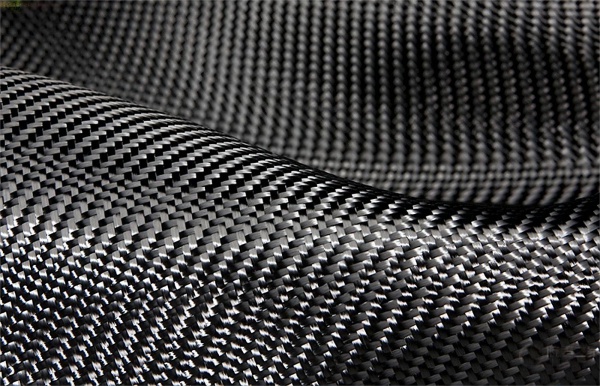
Carbon fiber cloth

Carbon fiber cutting

Carbon Fiber Brake Discs
Carbon-carbon brake discs adopt carbon fiber composite material. With high temperature resistance, stable friction, lightweight and long service life. Suitable for aerospace and racing, custom sizes available.

Carbon Fiber Fasteners
Carbon fiber fasteners are carbon-carbon composite fasteners with high temperature resistance, low density and corrosion resistance. Custom sizes for aerospace and thermal industry.
