


English
- English

CONTACT US
If you have any queries, get in touch today! Don't hesitate. We try to take the extra step for our customer satisfaction.
Our Products
We will provide high-quality and low-cost carbon fiber materials
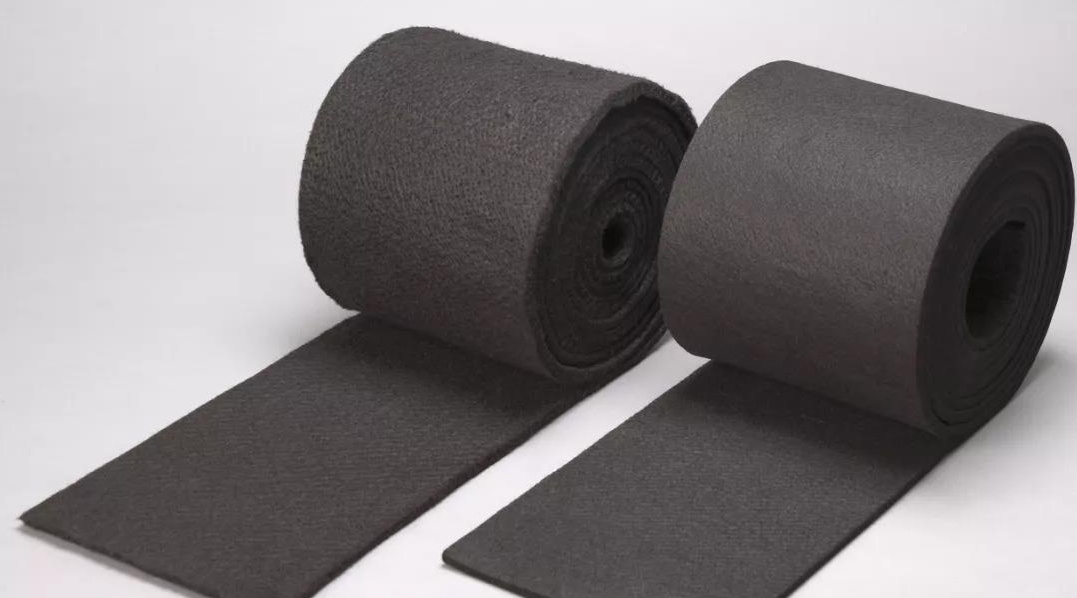

Felt (soft and hard)
Carbon Fiber Felt Technical Parameters and Indicators
The following are the complete parameters of PAN-based (mainstream) carbon fiber felt, covering specifications, physics, mechanics, thermology, electrics, chemistry and quality control indicators, which can be directly used for procurement, quality inspection and tendering. 1. Basic Specification Parameters
Raw material: PAN-based carbon fiber (short-cut / needling), a small amount of asphalt-based
Thickness: 2/3/5/8/10/12/14/15 mm (±8% tolerance)
Surface density: 300–1200 g/m² (commonly 500/800/1000 g/m²)
Width: 1000–2000 mm (customizable)
Length: 50–100 m / roll or custom cutting
Structure: Three-dimensional needled non-woven, porosity 85%–92%
2. Physical Performance Indicators
Density: 0.12–0.35 g/cm³ (typical 0.15–0.17 g/cm³)
Carbon content: ≥94.5% (high-purity grade ≥98%)
Ash content: ≤0.35% (high-quality ≤0.3%)
Sulfur content: ≤0.03%
Specific surface area: ≥1.5 m²/g
Hygroscopicity: ≤2%
3. Mechanical Performance (room temperature, dry state)
Tensile strength:
Longitudinal: ≥0.12–0.16 MPa
Transverse: ≥0.10–0.12 MPa
Tensile elongation rate: 3%–18% (low density higher)
Compressive strength: 0.05–0.10 MPa (10% compression deformation)
Fiber shedding rate: ≤0.5% (quality control)
4. Thermal Performance (core)
Maximum service temperature:
Air: ≤350–400°C
Vacuum: 1800–2000°C
Inert atmosphere (N₂/Ar): 2500–3000°C
Thermal conductivity (25°C): 0.06–0.15 W/(m·K) (lower in vacuum)
Thermal conductivity (1000°C): 0.20–0.27 W/(m·K)
Linear expansion coefficient (CTE): 1.0–2.5×10⁻⁶ /K
Specific heat capacity: 1.52–1.73 kJ/(kg·K)
Thermal stability: no shrinkage or powdering at 1200°C
5. Electrical Performance
Resistivity:
Common carbon felt: 3.5–9 Ω·mm (i.e. 3.5×10⁻²–9×10⁻² Ω·cm)
Graphitized felt: 0.1–1.0 Ω·cm
Conductive uniformity: ≤±15% (within batch)
Volume resistance: 10⁻²–10⁻³ Ω·cm (adjustable)
6. Chemical and Environmental Performance
Corrosion resistance: resistant to acids, alkalis, salt fog, seawater, organic solvents; no rusting, no aging
Antioxidation: stable below 400°C; requires coating protection above 600°C
Vacuum outgassing: ≤0.1% TML, ≤0.01% CVCM (space grade)
Flammability: UL94 V-0 (self-extinguishing, non-flaming)
7. Key Quality Control (QC) Indicators
Appearance: black uniform, no white spots, no oil stains, no fiber clusters, no damage
Thickness deviation: ±8% (GB/T 39027)
Surface density deviation: ±10%
Porosity fluctuation: ≤±3%
Batch strength fluctuation: ≤±15%
Metal impurities: Fe/Cu/Na ≤ 50 ppm (high-purity grade)
8. Common Selection Reference
High-temperature insulation (vacuum furnace / sintering furnace) → density 0.15–0.20 g/cm³, thickness 5–10 mm
Electrodes / fuel cells → surface density 800–1000 g/m², low resistivity Composite preform → Density 0.10–0.15 g/cm³, easy to be impregnated
Ultra-high temperature (>2000°C) → Graphitized carbon felt (treated at 2500°C)
- Parameters
Carbon Fiber Felt Technical Parameters and Indicators
The following are the complete parameters of PAN-based (mainstream) carbon fiber felt, covering specifications, physics, mechanics, thermology, electrics, chemistry and quality control indicators, which can be directly used for procurement, quality inspection and tendering. 1. Basic Specification Parameters
Raw material: PAN-based carbon fiber (short-cut / needling), a small amount of asphalt-based
Thickness: 2/3/5/8/10/12/14/15 mm (±8% tolerance)
Surface density: 300–1200 g/m² (commonly 500/800/1000 g/m²)
Width: 1000–2000 mm (customizable)
Length: 50–100 m / roll or custom cutting
Structure: Three-dimensional needled non-woven, porosity 85%–92%
2. Physical Performance Indicators
Density: 0.12–0.35 g/cm³ (typical 0.15–0.17 g/cm³)
Carbon content: ≥94.5% (high-purity grade ≥98%)
Ash content: ≤0.35% (high-quality ≤0.3%)
Sulfur content: ≤0.03%
Specific surface area: ≥1.5 m²/g
Hygroscopicity: ≤2%
3. Mechanical Performance (room temperature, dry state)
Tensile strength:
Longitudinal: ≥0.12–0.16 MPa
Transverse: ≥0.10–0.12 MPa
Tensile elongation rate: 3%–18% (low density higher)
Compressive strength: 0.05–0.10 MPa (10% compression deformation)
Fiber shedding rate: ≤0.5% (quality control)
4. Thermal Performance (core)
Maximum service temperature:
Air: ≤350–400°C
Vacuum: 1800–2000°C
Inert atmosphere (N₂/Ar): 2500–3000°C
Thermal conductivity (25°C): 0.06–0.15 W/(m·K) (lower in vacuum)
Thermal conductivity (1000°C): 0.20–0.27 W/(m·K)
Linear expansion coefficient (CTE): 1.0–2.5×10⁻⁶ /K
Specific heat capacity: 1.52–1.73 kJ/(kg·K)
Thermal stability: no shrinkage or powdering at 1200°C
5. Electrical Performance
Resistivity:
Common carbon felt: 3.5–9 Ω·mm (i.e. 3.5×10⁻²–9×10⁻² Ω·cm)
Graphitized felt: 0.1–1.0 Ω·cm
Conductive uniformity: ≤±15% (within batch)
Volume resistance: 10⁻²–10⁻³ Ω·cm (adjustable)
6. Chemical and Environmental Performance
Corrosion resistance: resistant to acids, alkalis, salt fog, seawater, organic solvents; no rusting, no aging
Antioxidation: stable below 400°C; requires coating protection above 600°C
Vacuum outgassing: ≤0.1% TML, ≤0.01% CVCM (space grade)
Flammability: UL94 V-0 (self-extinguishing, non-flaming)
7. Key Quality Control (QC) Indicators
Appearance: black uniform, no white spots, no oil stains, no fiber clusters, no damage
Thickness deviation: ±8% (GB/T 39027)
Surface density deviation: ±10%
Porosity fluctuation: ≤±3%
Batch strength fluctuation: ≤±15%
Metal impurities: Fe/Cu/Na ≤ 50 ppm (high-purity grade)
8. Common Selection Reference
High-temperature insulation (vacuum furnace / sintering furnace) → density 0.15–0.20 g/cm³, thickness 5–10 mm
Electrodes / fuel cells → surface density 800–1000 g/m², low resistivity Composite preform → Density 0.10–0.15 g/cm³, easy to be impregnated
Ultra-high temperature (>2000°C) → Graphitized carbon felt (treated at 2500°C)
Carbon Fiber Felts – Product Introduction & Application Scenarios
Product Introduction
Carbon fiber felts are high-performance porous fiber materials made from high-quality polyacrylonitrile (PAN) or pitch-based carbon fibers through processes such as carding, needling, high-temperature carbonization and graphitization. They feature uniform fiber distribution, stable structure, high porosity and excellent mechanical retention, making them an ideal lightweight thermal, conductive and reinforced material for high-end industries.
Key Product Features
- Light weight & high porosity: generally 70%–90% porous, low bulk density, easy to cut and form
- Excellent thermal stability: usable at up to 2000°C in inert atmosphere; good oxidation resistance below 400°C in air
- Superior thermal insulation & thermal conductivity: low thermal conductivity for insulation, high axial thermal conductivity for heat dissipation
- High chemical stability: corrosion-resistant to acids, alkalis, salts and organic solvents, no rust or aging
- Good electrical conductivity: adjustable resistivity for conductive, antistatic and electrode applications
- High tensile strength and toughness: not easy to break or shed fibers, long service life
- Flexible processing: can be customized into sheets, rolls, special-shaped parts and composite preforms
Main Application Scenarios
1. High-Temperature Thermal Insulation
Widely used in high-temperature furnaces, metallurgy, sintering furnaces, vacuum heat treatment, high-temperature insulation modules and fire-resistant linings, providing stable thermal insulation under extreme temperature conditions.
2. New Energy & Electrochemical Applications
Applied in fuel cell electrodes, flow battery electrodes, supercapacitor electrodes, electrolysis equipment and conductive current collectors, thanks to high conductivity and corrosion resistance.
3. Aerospace & Aviation
Used in thermal protection systems, engine insulation components, sound-absorbing structures and composite reinforcement layers for aircraft, rockets and spacecraft.
4. Automotive & New Energy Vehicles
Applied in battery thermal management systems, high-temperature insulation pads, sound insulation layers, brake system heat shields and lightweight composite reinforcements.
5. Chemical & Corrosion Protection
Used in filtration materials, corrosion-resistant gaskets, sealing materials and catalyst carriers in harsh chemical environments.
6. Industrial Filtration & Environmental Protection
Suitable for high-temperature flue gas filtration, dust removal, oil-water separation and special medium purification.
7. Composite Material Preforms
As reinforcement preforms for resin transfer molding (RTM), vacuum infusion and compression molding, used to produce high-strength CFRP structural parts.


 Copy product links
 Long by picture save/share
INQUIRY


Add Successfully
INQUIRY
Add Successfully
Related Products
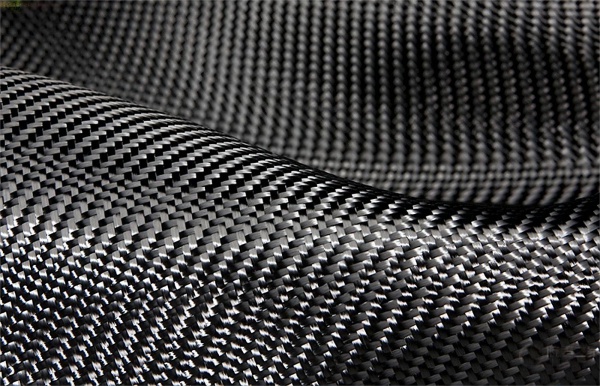
Carbon fiber cloth

Carbon fiber cutting

Carbon Fiber Brake Discs
Carbon-carbon brake discs adopt carbon fiber composite material. With high temperature resistance, stable friction, lightweight and long service life. Suitable for aerospace and racing, custom sizes available.

Carbon Fiber Fasteners
Carbon fiber fasteners are carbon-carbon composite fasteners with high temperature resistance, low density and corrosion resistance. Custom sizes for aerospace and thermal industry.
